
Bach’s Flower Remedy
Bach’s Flower Remedy
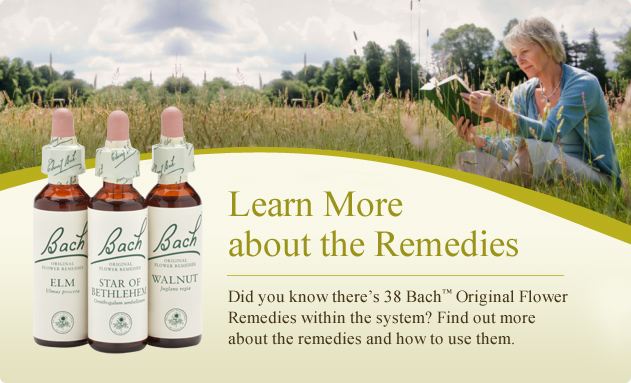
Bach’s Flower Remedy – This Medicine prepared from Flowers show result all mental disturbancesMay is the month associated with flowers, so I thought it would be timely to look at flower remedies. You may have heard of “rescue remedy” or other Bach flower remedies. (The preferred pronunciation is “Batch,” but it’s also acceptable to pronounce it like the composer.) They contain a very small amount of flower material in a 50:50 solution of brandy and water, and are said to work by transmitting a vibrational energy through the memory of water (not the same as homeopathy, but equally implausible).
Bach was trained as a homeopath and even created some bacterial homeopathic nosodes, but then he branched out. He used his intuition to access a psychic connection to plants. He would hold his hand over different plants to see which one affected his emotional state, and he would collect the dew from that plant to use as a remedy.
A facsimile edition of Bach’s 1936 book The Twelve Healers is available free on the Internet. It makes interesting reading. It starts off: From time immemorial it has been known that Providential Means has placed in Nature the prevention and cure of disease, by means of divinely enriched herbs and plants and trees. The remedies of Nature given in this book have proved that they are blest above others in their work of mercy; and that they have been given the power to heal all types of illness and suffering.
I have no clue what he means by “proved.” He offers no evidence of any kind, not even testimonials. The book explains how to prepare flower essences by exposure to sunlight or by boiling, and lists the remedies and their indications under 7 headings:
You see, the nature of the disease is immaterial. The mind shows the onset and course of the disease, and the outlook of mind is all you need to consider. Heal the mind and the body will heal itself. He isn’t just offering to affect psychology: he promises to cure all that ails you. The book was advertised as “An explanation of the real cause and cure of disease.” The “12” in the title refers to the original 12 remedies. Discovery of 26 more “completed the series.” He doesn’t explain how he knew the series was complete. I can only guess that a little flower told him.
As a specific example, he lists larch under “For despondency or despair” with the criteria:
For those who do not consider themselves as good or capable as those around them, who expect failure, who feel that they will never be a success, and so do not venture or make a strong enough attempt to succeed.
The descriptions sound more like personality types in astrology than like temporary manifestations of illness.
Meet Our Doctors


